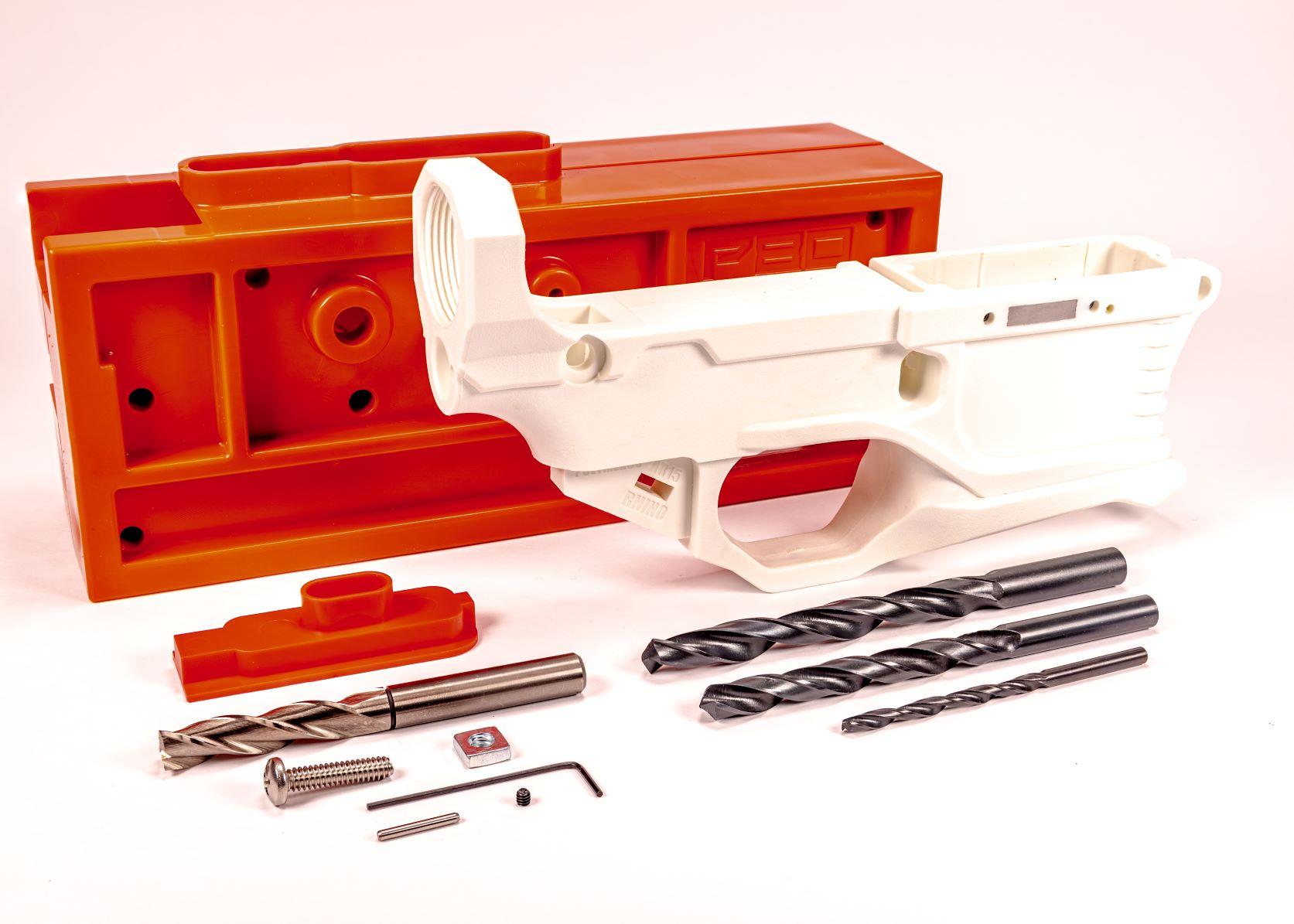
RL556v3 80% AR15 Lower – White - polymer 80
Pros & cons
What works
- Weighs 8.2 oz — 62% lighter than aluminum counterparts
- White finish allows custom dyeing to any color
- $40-60 savings versus completed lowers before tooling costs
- Accepts all Mil-Spec AR-15 upper receivers and components
Trade-offs
- Requires $60-120 in additional jig and tooling investment
- White surface shows machining scratches more visibly than darker finishes
- Polymer material has 30% lower impact resistance than forged aluminum
- No included instructions — beginners must consult external resources
Video review
Expert review
Specs at a glance
About this product
The RL556v3 80% AR15 Lower in White is an unfinished polymer receiver requiring final machining for AR-15 platform builds. This 80% lower weighs 8.2 ounces and measures 7.5 inches in length, providing a lightweight foundation for custom rifles. Available in five colors including White, FDE, and OD Green, it suits builders seeking non-traditional finishes.
What is the RL556v3 80% Lower used for?
This lower serves as the core component for building custom AR-15 rifles requiring final machining. It requires drilling of three pin holes and milling of the fire control cavity using a jig. Builders typically complete the machining process in under 2 hours with proper tools.
How does the RL556v3 compare to the .308 80% Lower Billet?
The RL556v3 weighs 8.2 ounces versus the 19.8-ounce .308 80% Lower Billet, making it 58% lighter for AR-15 builds. The billet alternative offers superior rigidity for larger caliber platforms but adds significant weight and cost at $149.
What does it weigh and what are the dimensions?
This lower measures 7.5 inches long, 2.1 inches wide, and weighs 8.2 ounces unfinished. The magazine well accepts standard AR-15 magazines with 0.005-inch clearance tolerance. White finish requires careful handling during machining to prevent discoloration.
Who is this NOT for?
This product is unsuitable for builders lacking access to a drill press or milling machine. Those requiring immediate functionality should consider complete lowers like the Fire/Safe Marked Lower. California residents must verify compliance with state serialization laws before purchase.
What's in the box?
The package contains one unfinished white polymer lower receiver without additional components. No jig, drill bits, or instructions are included—builders must source these separately. Completion requires approximately $60-120 in additional tooling according to our drill bit guide.
Is the RL556v3 worth it at $89?
At $89, this lower offers cost savings versus completed receivers but requires significant additional investment. Builders saving $40-60 versus finished lowers must factor in tooling costs and 3-4 hours of labor. The white finish provides unique customization potential for specialized builds.
Key attributes
| Model | RL556v3 |
| Type | 80% Lower Receiver |
| Caliber | 5.56 NATO |
| Material | Polymer |
| Weight | 8.2 oz |
| Color | White |
| Finish | Unfinished |
| Compatibility | AR-15 Platforms |
Specifications
| model | RL556v3 |
| type | 80% AR15 Lower |
| color | White |
| compatibility | AR15 platforms |
Materials
- polymer
Frequently asked questions
- Is it compatible with Mil-Spec AR-15 parts?
- Yes, it accepts standard Mil-Spec trigger groups, pistol grips, and buffer tubes. Pin holes require drilling to exact 0.154-inch diameter specifications. Test fit all components before permanent installation.
- Does it fit standard AR-15 jigs?
- It requires Polymer80-specific jigs, not universal AR-15 jigs. The RL556v3 uses a proprietary indexing system different from aluminum lowers. Allow 2-3 business days for jig shipment if ordered separately.
- How long does machining take?
- Completion takes approximately 90-120 minutes with proper tools. Drilling three pin holes requires 15 minutes, while milling the fire control cavity takes 75+ minutes. Use carbide bits as recommended in our modification guide.
- Does this work with aftermarket triggers?
- It accommodates most drop-in triggers after proper milling. Ensure trigger pocket depth reaches 1.25 inches minimum for full compatibility. Geissele and Timney triggers require additional clearance checks.